
Why heat-treated pallets clear customs — and untreated ones don't
ISPM-15, KEPHIS and the IPPC mark, explained — and what they mean for your export cargo.
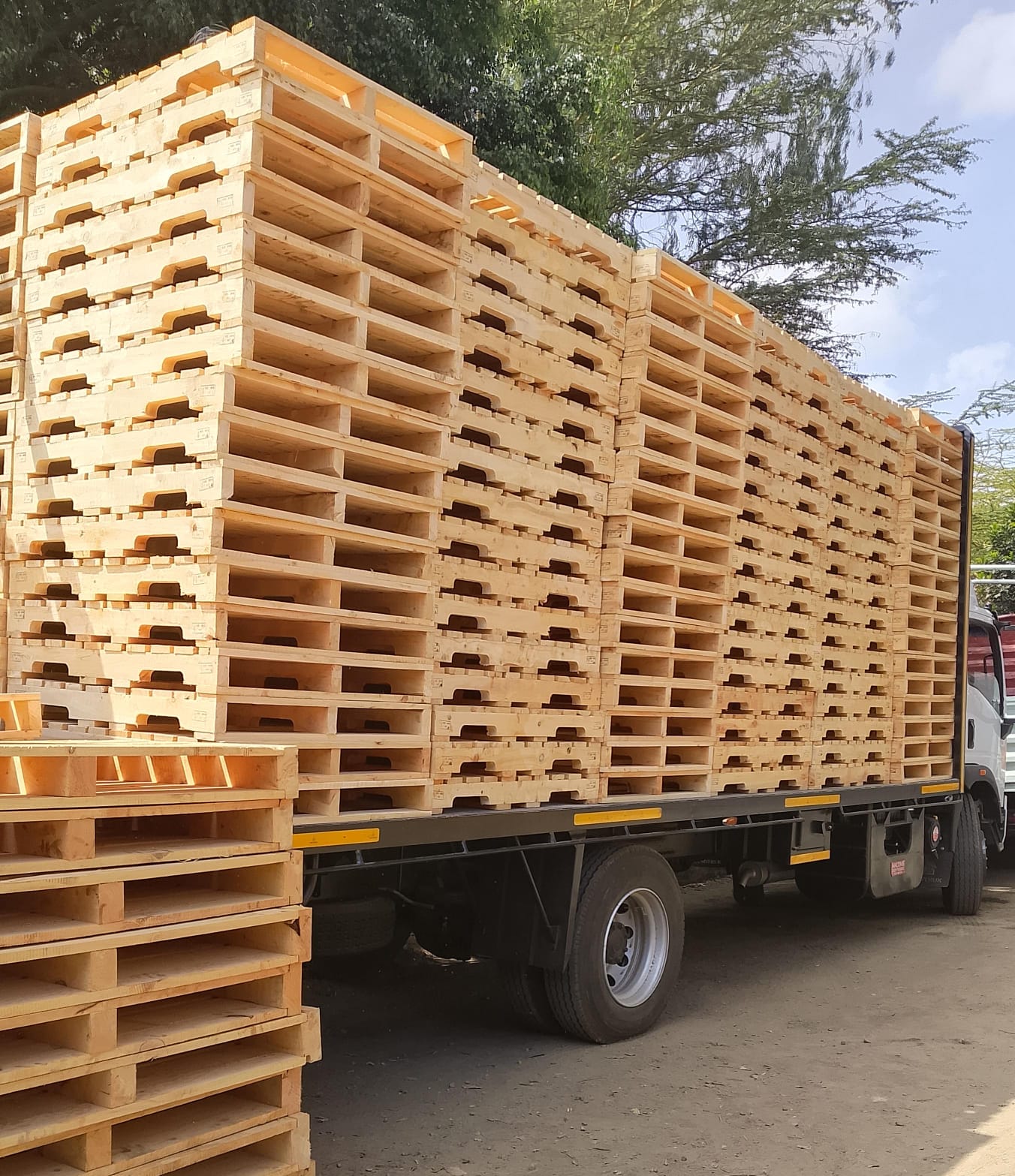
If you export on wooden pallets, the difference between cargo that moves and cargo that waits often comes down to one thing: whether the wood was heat-treated. Here's what the standard requires, and why it matters.
What ISPM-15 actually requires
ISPM-15 is the international phytosanitary standard for wood packaging used in global trade. It exists to stop pests and fungi hitching a ride across borders inside untreated timber. Most destination countries enforce it — packaging that doesn't comply can be refused, treated at your cost, or destroyed.
Heat treatment, not chemicals
Heat treatment raises the core temperature of the timber for a set time to eliminate pests and fungi — no chemical fumigants involved. The benefits compound:
- Eliminates pests and fungi from the wood
- Accepted for international trade under ISPM-15
- More durable than non-heat-treated wood
- Still fully recyclable and repairable
The IPPC-KE-013 mark
Kenpack is accredited by KEPHIS, the Kenya Plant Health Inspectorate Service, and assigned the registration mark IPPC-KE-013. That mark on a pallet is your proof of compliant treatment — the stamp customs officers look for.
What it means for your shipment
Specify heat-treated, ISPM-15 pallets for anything crossing a border, and keep the IPPC mark visible. It's the cheapest insurance you can buy against a held container.